Beschreibung
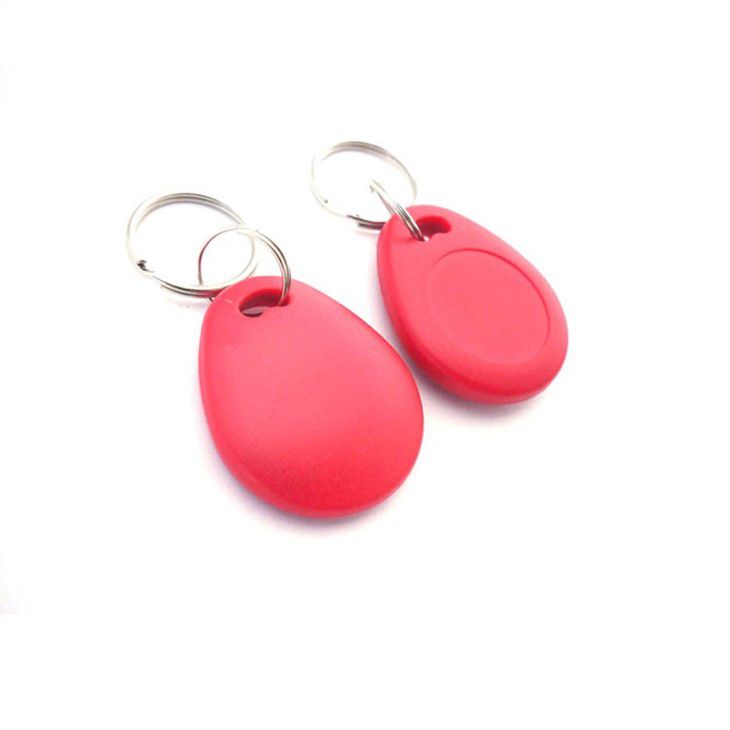
RFID Key Fob Copy“ refers to the process of duplicating or cloning an existing RFID (Radio-Frequency Identification) key fob. This practice is often done to create backup fobs, provide additional access credentials for family members, or replace lost/damaged fobs.
How RFID Key Fob Copying Works:
The ability to copy an RFID key fob depends heavily on the type of RFID technology used and its security features.
- Reading the Original Fob: A specialized device, known as an RFID copier, duplicator, or cloner, is used to read the data from the original key fob. The user typically places the original fob near the scanner on the copier and presses a „Read“ button. The copier captures the RFID frequency and the unique identification code (and sometimes other data) stored on the chip.
- Preparing a Blank Fob: Once the data is read, the original fob is replaced with a blank, rewritable RFID key fob that is compatible with the copier and the original fob’s frequency (e.g., 125kHz T5577 or 13.56MHz UID changeable fobs).
- Writing to the New Fob: The user then presses a „Write“ button on the copier. The captured data from the original fob is transferred and programmed onto the blank fob. The copier usually provides an indication (e.g., a beep or light) when the transfer is successful.
- Testing: The newly duplicated key fob should then be tested on the intended access point to ensure it functions identically to the original.


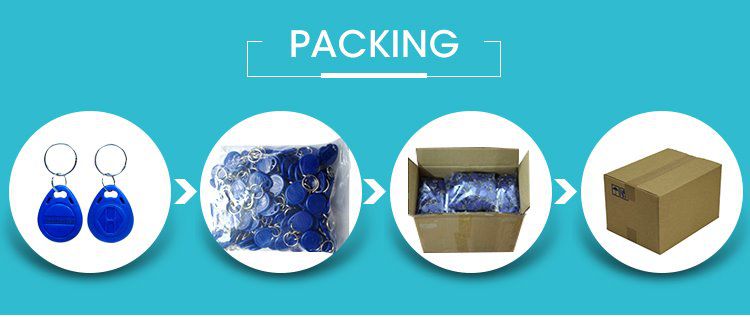
Package:
100pcs/bag
2500pcs/ctn
Carton size:40*20*36cm
Types of RFID Key Fobs and Copying Difficulty:
- 125kHz Low Frequency (LF) Fobs (e.g., EM4100, TK4100, T5577): These are generally the easiest to copy. Many inexpensive handheld copiers (often under $20-$30) can read the unique ID from an EM4100/TK4100 fob and write it to a rewritable T5577 fob.
- 13.56MHz High Frequency (HF) Fobs (e.g., MIFARE Classic 1K, MIFARE Ultralight, NTAG series): These are more complex.
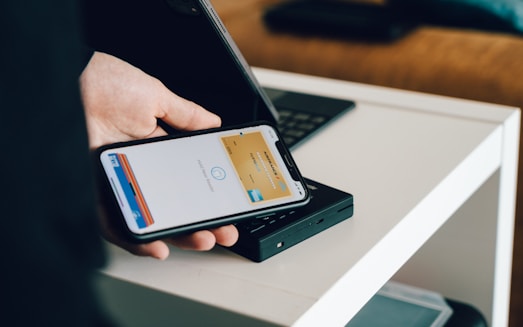
- Basic HF Fobs: Some basic HF fobs (like standard NTAGs) can be read and written with NFC-enabled smartphones (using specific apps) or dedicated USB/handheld HF readers.
- Encrypted/Advanced HF Fobs (e.g., MIFARE Classic with sector encryption, MIFARE DESFire, HID iCLASS): These fobs have advanced security features, including encryption, rolling codes, or proprietary authentication protocols. Copying these often requires more sophisticated equipment, specialized software, knowledge of encryption keys, or even brute-force decryption techniques. Many standard copiers cannot clone these high-security fobs.
- Active Fobs: Fobs with their own power source and advanced communication protocols (often used for long-range access) are generally much harder, if not impossible, to copy with common consumer-grade duplicators.
Legal and Ethical Considerations:
It’s crucial to understand the legal and ethical implications of copying RFID key fobs.
- Authorization: Copying a key fob without proper authorization from the property owner, building management, or system administrator can be illegal in many jurisdictions.
- Security Risk: Unauthorized duplication poses a significant security risk, as it creates an untraceable access credential, potentially compromising the security of a building or system. Access control systems often cannot differentiate between an original fob and a cloned one.
- System Integrity: Some advanced systems track fob usage or employ rolling codes, and duplicating such fobs can interfere with the system’s integrity or render the original fob unusable.
Alternatives to Self-Copying:
- Professional Key Fob Copying Services: Many locksmiths or specialized companies offer key fob duplication services. They often have more advanced equipment to handle various fob types, including some encrypted ones (though high-security fobs may still be challenging).
- Building Management/System Administrator: The most legitimate and secure way to get additional fobs is through the entity that manages the access control system. They can issue new, authorized fobs that are properly integrated into their system.
- Mobile Access Control Systems: Some modern access systems allow users to use their smartphones as key fobs, eliminating the need for physical fobs and the associated cloning concerns.
While the „RFID key fob copy“ process can be simple for basic fobs, it becomes increasingly complex and carries significant security and legal considerations for more advanced or highly secure systems.